
The utilization of Universal Testing Machines in modern industry has undeniably revolutionized the landscape of innovation. As these machines continue to evolve with cutting-edge technology and enhanced functionalities, their impact on product development and quality assurance cannot be overstated universal testing machine. From their ability to provide in-depth material analysis to their role in driving continuous improvement, Universal Testing Machines serve as the cornerstone of progress in various sectors. The implications of their advancements and the potential they hold for the future of industrial innovation are indeed intriguing and warrant further exploration.
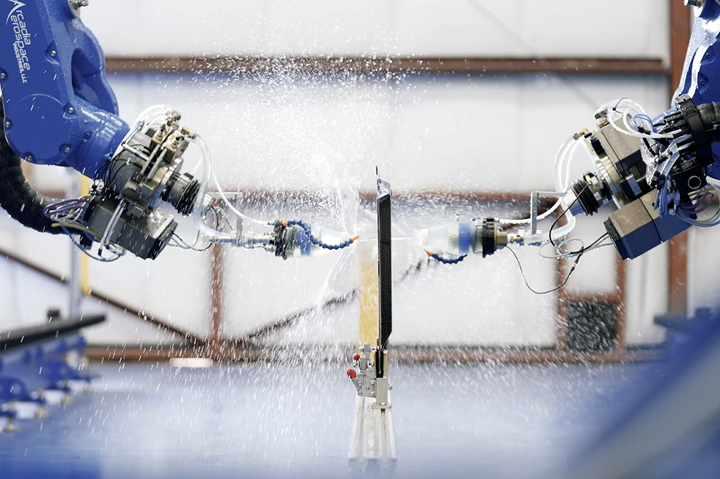
Evolution of Universal Testing Machines
The evolution of Universal Testing Machines has been marked by significant advancements in design, functionality, and performance over the years universal testing machine manufacturer. Originally developed to assess the mechanical properties of materials, these machines have undergone a transformation in response to the increasing demands of modern industry. One key aspect of this evolution is the shift towards digital interfaces and automated controls, allowing for more precise and efficient testing procedures.
Advancements in sensor technology have enhanced the accuracy and reliability of Universal Testing Machines, enabling industries to conduct tests with a higher degree of confidence. The integration of software systems has streamlined data analysis and reporting, facilitating faster decision-making processes. Additionally, improvements in machine calibration and maintenance have extended the lifespan of these devices, ensuring continued operational efficiency.
Applications Across Industries
Universal Testing Machines find widespread application across various industries due to their ability to assess the mechanical properties of materials. These machines play a crucial role in ensuring the quality and reliability of products during development stages.
The impact of Universal Testing Machines on product design and performance optimization is profound, making them indispensable tools in modern industrial processes.
Diverse Industry Applications
Across various sectors, the integration of universal testing machines has revolutionized quality control processes and product development. In the automotive industry, these machines are utilized to test the durability of vehicle components under various conditions, ensuring safety and reliability.
Pharmaceutical companies rely on universal testing machines to assess the mechanical properties of drug delivery systems, guaranteeing precise dosages and effectiveness. In the aerospace sector, these machines play a critical role in testing the strength and performance of materials used in aircraft construction, enhancing overall safety standards.
Moreover, in the construction industry, universal testing machines are employed to evaluate the compressive strength of concrete and other building materials, ensuring structural integrity. The diverse applications of universal testing machines underscore their indispensable role in driving innovation and quality across industries.
Impact on Product Development
Evidently, the integration of universal testing machines in various industries has significantly influenced product development processes. These machines play a crucial role in ensuring the quality, durability, and reliability of products across sectors such as automotive, aerospace, construction, and electronics.
By subjecting materials and components to rigorous testing procedures, engineers can identify weaknesses, optimize designs, and enhance overall product performance. This leads to the creation of safer, more efficient, and innovative products that meet the ever-evolving demands of consumers.
With universal testing machines facilitating precise measurements and data analysis, companies can streamline their development cycles, reduce time-to-market, and ultimately drive competitive advantage in today’s fast-paced industries.
Advantages in Product Development
In the realm of product development, leveraging Universal Testing Machines introduces a multidimensional approach that enhances precision and efficiency in analyzing material properties. One significant advantage lies in the ability to conduct a wide range of tests on various materials, including tensile strength, compression, flexure, and fatigue testing. This comprehensive analysis facilitates a deeper understanding of material behavior under different conditions, leading to the development of more robust and reliable products.
Moreover, Universal Testing Machines offer real-time data collection and analysis, allowing for quick adjustments and iterations during the product development process. This real-time feedback loop enables engineers to make informed decisions promptly, accelerating the overall product development timeline. Additionally, the versatility of these machines accommodates testing across diverse industries, from automotive to aerospace, ensuring that products meet stringent quality standards across the board.

Precision and Accuracy in Testing
Building upon the foundation of advantages in product development, the focus now shifts towards the critical aspect of precision and accuracy in testing when utilizing Universal Testing Machines. In modern industry, achieving precise and accurate results from testing processes is paramount for ensuring the quality and reliability of products. Universal Testing Machines play a crucial role in this by providing the capability to perform various tests with high levels of accuracy and repeatability.
Precision in testing refers to the ability to obtain consistent and exact results, while accuracy pertains to how close these results are to the true value. Universal Testing Machines excel in both aspects, offering precise control over testing parameters and accurate measurements of material properties such as strength, elasticity, and durability.
Influence on Quality Assurance
With its unparalleled capability for precise and accurate testing, Universal Testing Machines significantly influence quality assurance in modern industry. These machines play a crucial role in ensuring that products meet the required standards and specifications set by industries. By subjecting materials to various tests such as tensile, compression, flexural, and fatigue testing, Universal Testing Machines help manufacturers understand the performance and durability of their products. This data is essential for maintaining consistency in product quality, identifying any defects or weaknesses early in the production process, and ultimately reducing the risk of product failures in the market.
Moreover, Universal Testing Machines provide objective and quantifiable results, eliminating human error and bias in quality assurance processes. This objectivity enhances the reliability of quality control measures and helps companies make informed decisions based on data-driven insights. By integrating Universal Testing Machines into their quality assurance procedures, industries can uphold high standards, improve customer satisfaction, and build a reputation for delivering reliable and superior products.
Driving Technological Advancements
The integration of cutting-edge technologies in universal testing machines plays a crucial role in driving forward technological advancements in modern industries. These advancements not only enhance the efficiency of testing processes but also contribute to the overall improvement of product quality and innovation.
Tech Innovations Impact
How do emerging technological innovations influence the advancements in universal testing machines within modern industry?
Technological innovations play a pivotal role in shaping the evolution of universal testing machines. Advancements in sensors, data processing capabilities, and automation have led to more accurate, efficient, and versatile testing processes.
For instance, the integration of artificial intelligence and machine learning algorithms has enabled predictive maintenance, real-time monitoring, and adaptive testing protocols. Furthermore, the development of advanced materials and components has enhanced the performance and durability of universal testing machines, allowing for testing under extreme conditions with higher precision and reliability.
These technological breakthroughs continue to drive the evolution of universal testing machines, empowering industries to push the boundaries of innovation and quality assurance.
Industry Advancements Through Testing
Emerging industry advancements driven by testing methodologies are reshaping technological innovations within modern industrial landscapes. Through rigorous testing protocols, industries can ensure the reliability, safety, and performance of their products.
These advancements are not only improving product quality but also accelerating the pace of technological innovation. By leveraging cutting-edge testing techniques such as non-destructive testing and material characterization, companies can push the boundaries of what is achievable in their respective fields.
The data gathered from these tests provide valuable insights that drive continuous improvement and optimization of processes. Ultimately, industry advancements through testing are paving the way for the development of more efficient, durable, and sustainable products that meet the ever-evolving demands of the market.
Future Potential and Trends
Incorporating cutting-edge technology into universal testing machines is essential for staying competitive in modern industry. The future potential of universal testing machines lies in their ability to adapt to the evolving needs of various sectors such as automotive, aerospace, materials science, and more.
One trend that is gaining momentum is the integration of artificial intelligence (AI) and machine learning algorithms into these machines. This integration allows for more advanced data analysis, predictive maintenance capabilities, and enhanced automation, ultimately leading to improved efficiency and accuracy in testing processes.
Furthermore, the development of more compact and portable universal testing machines is another trend to watch. These advancements enable testing to be conducted in various environments, offering greater flexibility and convenience. Additionally, the increasing focus on sustainability and environmental impact is driving the innovation of eco-friendly materials and testing methods within the universal testing machine industry.
Embracing these future trends will undoubtedly unlock new possibilities and propel the industry forward in the years to come.
Conclusion
In conclusion, the utilization of Universal Testing Machines in modern industries has significantly enhanced product development processes through precise analysis of material properties and quality assurance.
These machines have played a crucial role in driving technological advancements and pushing the boundaries of innovation across various sectors.
With their ability to provide accurate testing results and optimize product design, Universal Testing Machines will continue to play a pivotal role in shaping the future of industrial processes.