
As businesses in Malaysia navigate the landscape of digital transformation, the realm of e-invoicing emerges as a pivotal aspect reshaping financial operations invoice software malaysia. The shift towards electronic invoicing signifies more than just a modernization of processes; it signifies a fundamental reimagining of how businesses interact, transact, and comply within a digital framework. With the potential to revolutionize traditional invoicing practices, e-invoicing in Malaysia opens doors to efficiency gains, compliance enhancements, and strategic financial management. Embracing this evolution not only promises operational enhancements but also hints at a future where financial ecosystems are seamlessly interconnected, driving businesses towards a more agile and competitive landscape.
Advantages of E-Invoicing
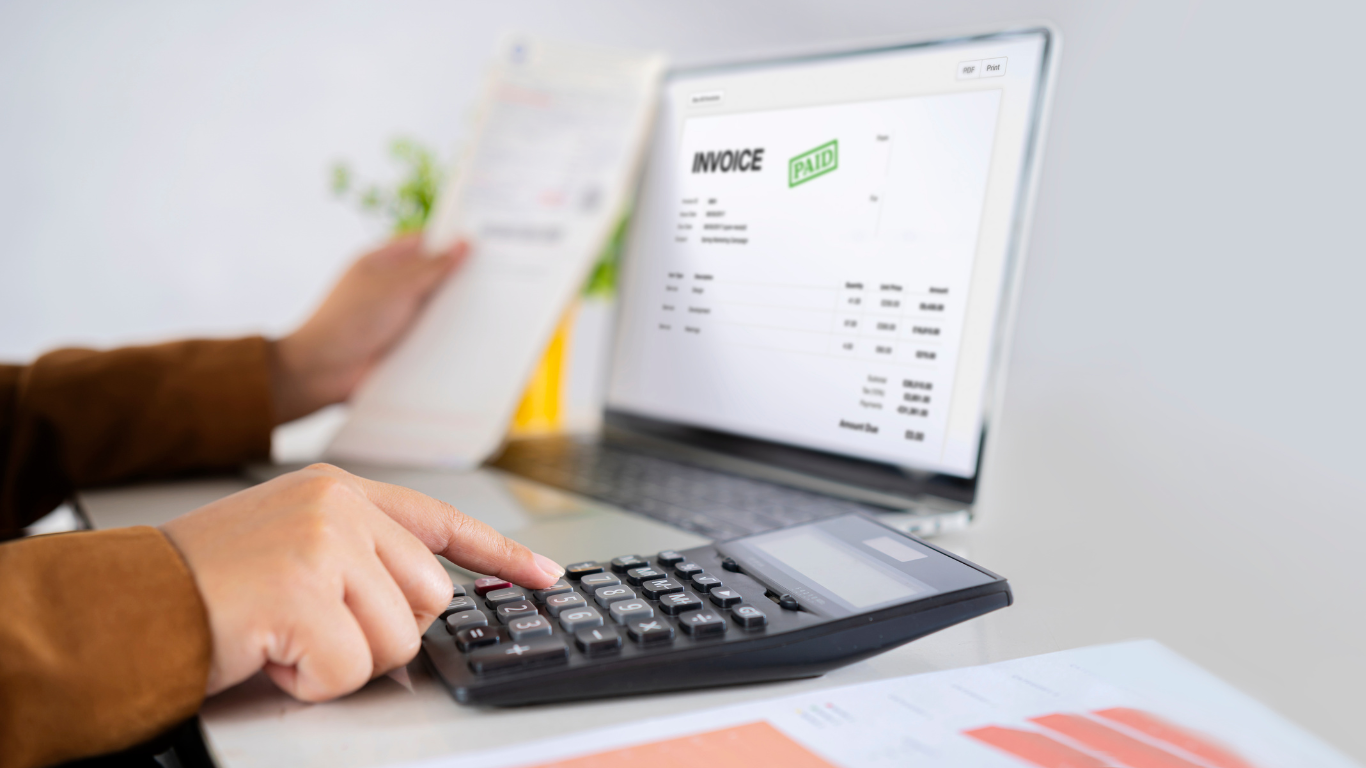
When considering the implementation of e-invoicing in Malaysia, it is crucial to acknowledge the numerous advantages this digital invoicing method offers to businesses and the economy.
E-invoicing streamlines the invoicing process by eliminating the need for paper-based invoices, reducing costs associated with printing, mailing, and storage https://aspert.com.my/e-invoice/. This efficiency leads to quicker payment cycles, improving cash flow for businesses. Additionally, e-invoicing reduces the likelihood of errors or discrepancies in invoices, enhancing accuracy and trust in financial transactions.
From a strategic perspective, e-invoicing enables businesses to track and analyze invoice data more effectively, providing valuable insights for decision-making and planning.
Furthermore, the adoption of e-invoicing contributes to a more sustainable environment by reducing paper consumption and waste. This aligns with global efforts towards environmental conservation and corporate social responsibility. Embracing e-invoicing also positions Malaysia as a technologically advanced and forward-thinking nation, attracting foreign investment and fostering economic growth.
Implementation Process in Malaysia
The successful implementation of e-invoicing in Malaysia hinges on adhering to a well-defined timeline and meeting regulatory compliance requirements.
The timeline for implementation must be carefully planned and executed to ensure a smooth transition for businesses.
Regulatory compliance is paramount to avoid any legal issues and to establish a robust e-invoicing framework in the country.
Timeline for Implementation
An essential component of the implementation process of E-invoicing in Malaysia involves establishing a detailed timeline for the transition.
The timeline for E-invoicing implementation typically consists of several key stages. Initially, businesses will need to assess their current invoicing processes and systems to determine compatibility with the new electronic system.
Following this evaluation, a pilot phase may be conducted to test the E-invoicing solution on a smaller scale before full implementation.
Subsequently, a gradual rollout across different industries and sectors can be planned, allowing for adjustments and feedback.
Regulatory Compliance Requirements
Establishing regulatory compliance requirements for E-invoicing implementation in Malaysia involves aligning with specific legal frameworks and standards to ensure adherence to national guidelines. The Malaysian government mandates that e-invoices must contain specific details such as tax identification numbers, invoice numbers, and other relevant information to be considered valid.
Additionally, businesses adopting e-invoicing must comply with the Malaysian Digital Signature Act, which requires electronic signatures for authentication. Ensuring data privacy and security is crucial, as sensitive information is transmitted electronically.
Adhering to standards set by the Malaysian Communications and Multimedia Commission (MCMC) and the Royal Malaysian Customs Department is essential for seamless integration and operation. By meeting these regulatory requirements, businesses can enjoy the benefits of e-invoicing while operating within the legal framework of Malaysia.
Compliance With Malaysian Regulations
Ensuring compliance with Malaysian regulations is paramount in the realm of e-invoicing. Understanding the regulatory requirements and potential penalties for non-compliance is essential for businesses operating in Malaysia.

Regulatory Requirements Overview
Compliance with Malaysian regulations regarding e-invoicing necessitates a thorough understanding of the specific requirements set forth by the authorities. In Malaysia, e-invoicing is governed by the Customs Act 1967, Sales Tax Act 2018, and Service Tax Act 2018.
Businesses must ensure that their e-invoices contain mandatory information such as the supplier’s details, customer’s details, invoice number, tax amount, and other relevant transaction details. Furthermore, e-invoices must be stored securely and be made available for audits upon request by the authorities.
It is crucial for businesses to stay updated on any regulatory changes to ensure ongoing compliance with Malaysian e-invoicing requirements, thereby avoiding potential penalties for non-compliance in the future.
Penalties for Non-Compliance
Businesses operating in Malaysia must be acutely aware of the potential ramifications of failing to adhere to the regulatory requirements surrounding e-invoicing. Non-compliance with e-invoicing regulations can lead to significant penalties, including fines and possible legal actions.
The Malaysian government takes a strict stance on ensuring compliance with e-invoicing standards to enhance transparency, efficiency, and accuracy in financial transactions. Penalties for non-compliance serve as a deterrent to encourage businesses to adopt and implement e-invoicing systems correctly.
It is crucial for companies to stay updated with the latest regulatory guidelines to avoid any financial or reputational damage that may result from failing to comply with Malaysian e-invoicing regulations. By prioritizing compliance, businesses can operate smoothly within the Malaysian market and contribute to a more efficient digital economy.
Cost-Saving Opportunities
Exploring avenues for cost-saving in the implementation of e-invoicing within the Malaysian business landscape requires a meticulous analysis of operational processes and strategic resource allocation. One significant cost-saving opportunity lies in the reduction of paper usage and postage fees associated with traditional invoicing methods. By transitioning to e-invoicing, organizations can eliminate the expenses related to printing, storing, and mailing physical invoices. Additionally, the automation capabilities of e-invoicing systems streamline the invoicing process, reducing the need for manual intervention and thus cutting down on labor costs.
Furthermore, e-invoicing facilitates faster payment cycles, enabling businesses to improve their cash flow and reduce the reliance on costly short-term financing options. The decreased processing times and enhanced accuracy of e-invoicing also contribute to minimizing errors and disputes, consequently lowering resolution costs. Leveraging e-invoicing technology can lead to overall operational efficiencies and cost reductions, positioning Malaysian businesses for enhanced financial performance and competitiveness in the digital era.
Integration With Accounting Systems
Analyzing the operational impact of adopting e-invoicing in the Malaysian business landscape reveals the critical role of integrating e-invoicing systems with existing accounting platforms for seamless and efficient financial management. Integration with accounting systems allows for the automated transfer of invoice data, reducing manual entry errors and saving time. By connecting e-invoicing with accounting software, businesses can streamline reconciliation processes, monitor cash flow in real-time, and generate accurate financial reports effortlessly. Moreover, this integration enhances transparency and visibility into financial transactions, enabling better decision-making based on up-to-date information.
Integrating e-invoicing with accounting systems also facilitates compliance with regulatory requirements and auditing standards. The automated recording and matching of invoices with payments improve accuracy and ensure that all transactions are properly documented. Additionally, the synchronization between e-invoicing and accounting systems enhances data security by reducing the need for manual handling of sensitive financial information. This integration optimizes financial workflows, enhances control over financial processes, and ultimately boosts overall organizational efficiency.
Security Measures for E-Invoicing
Upon implementing e-invoicing systems, a robust framework of security measures is essential to safeguard sensitive financial data and mitigate potential risks in the electronic invoicing process. Encryption protocols play a vital role in securing the transmission of e-invoices, ensuring that data remains confidential and integral during exchange.
Implementing multi-factor authentication adds an extra layer of protection, requiring users to verify their identity through multiple steps before accessing the system. Regular security audits and updates are crucial to identify and address vulnerabilities promptly. User access controls help limit the exposure of sensitive information by granting permissions based on roles and responsibilities.
Secure storage practices, such as data encryption at rest and regular backups, protect against data loss and unauthorized access. Additionally, establishing clear policies and procedures for handling e-invoices can enhance security awareness among employees, reducing the likelihood of human error leading to security breaches.
Adoption Rates in Malaysian Businesses
After establishing the necessary security measures for e-invoicing systems to safeguard sensitive financial data, it is pertinent to examine the current adoption rates of such systems among Malaysian businesses. E-invoicing adoption in Malaysia has been steadily increasing over the past few years, driven by government initiatives promoting digitalization and efficiency in business processes. Many businesses in Malaysia are recognizing the benefits of e-invoicing, such as cost savings, improved accuracy, faster processing times, and enhanced transparency.
According to recent data, a significant number of large corporations in Malaysia have already implemented e-invoicing systems into their operations. However, the adoption rates among small and medium-sized enterprises (SMEs) are still relatively low. This gap highlights the need for more targeted efforts to educate and assist SMEs in transitioning to e-invoicing systems.
To further boost adoption rates, it is crucial for stakeholders to collaborate and provide support to businesses at all levels. Continued efforts in promoting the benefits and providing training and resources will be essential in accelerating the adoption of e-invoicing across Malaysian businesses.
Training and Support for Users
Efficient implementation of training programs and comprehensive support mechanisms is crucial for facilitating the successful adoption of e-invoicing systems among Malaysian businesses. Training sessions should cover not only the technical aspects of e-invoicing but also emphasize the benefits of transitioning to electronic invoicing, such as cost savings and improved efficiency. These programs should be tailored to the specific needs of different businesses, ensuring that users gain the necessary skills to navigate the e-invoicing platforms effectively.
In addition to training, ongoing support is essential to address any issues or challenges that users may encounter during the implementation phase. This support can take the form of dedicated help desks, online resources, and regular communication to keep users informed about system updates and best practices. By providing robust training and support mechanisms, businesses can help users feel confident in their abilities to utilize e-invoicing systems, ultimately leading to higher adoption rates and greater success in transitioning to electronic invoicing in Malaysia.
Future Trends in E-Invoicing Malaysia
The evolution of e-invoicing in Malaysia is paving the way for significant advancements and innovations in the realm of digital financial transactions. As technology continues to progress, several future trends are anticipated in the e-invoicing landscape of Malaysia. One such trend is the increased adoption of artificial intelligence (AI) and machine learning algorithms to enhance the automation and accuracy of invoice processing. These technologies can streamline the invoice validation process, reduce errors, and improve overall efficiency.
Another trend on the horizon is the integration of blockchain technology in e-invoicing systems. Blockchain offers enhanced security, transparency, and traceability, which are crucial aspects in financial transactions. By leveraging blockchain, Malaysia can further enhance the trust and integrity of e-invoicing processes.
Furthermore, the future of e-invoicing in Malaysia may see a rise in mobile invoicing solutions to cater to the growing number of mobile users. Mobile invoicing apps can provide convenience and accessibility, allowing businesses to create, send, and manage invoices on the go. The integration of mobile invoicing capabilities can revolutionize the way invoicing is conducted in Malaysia, providing greater flexibility and freedom to businesses embracing digital transformation.
Conclusion
In conclusion, the adoption of e-invoicing in Malaysia presents numerous benefits for businesses. These benefits include improved efficiency, cost savings, and compliance with regulations.
With increasing integration of technology and training initiatives, the future of e-invoicing in Malaysia looks promising. Trends towards automation, blockchain integration, and mobile solutions are on the rise. As businesses continue to leverage these advancements, the financial ecosystem in Malaysia is poised for a more seamless and efficient invoicing process.